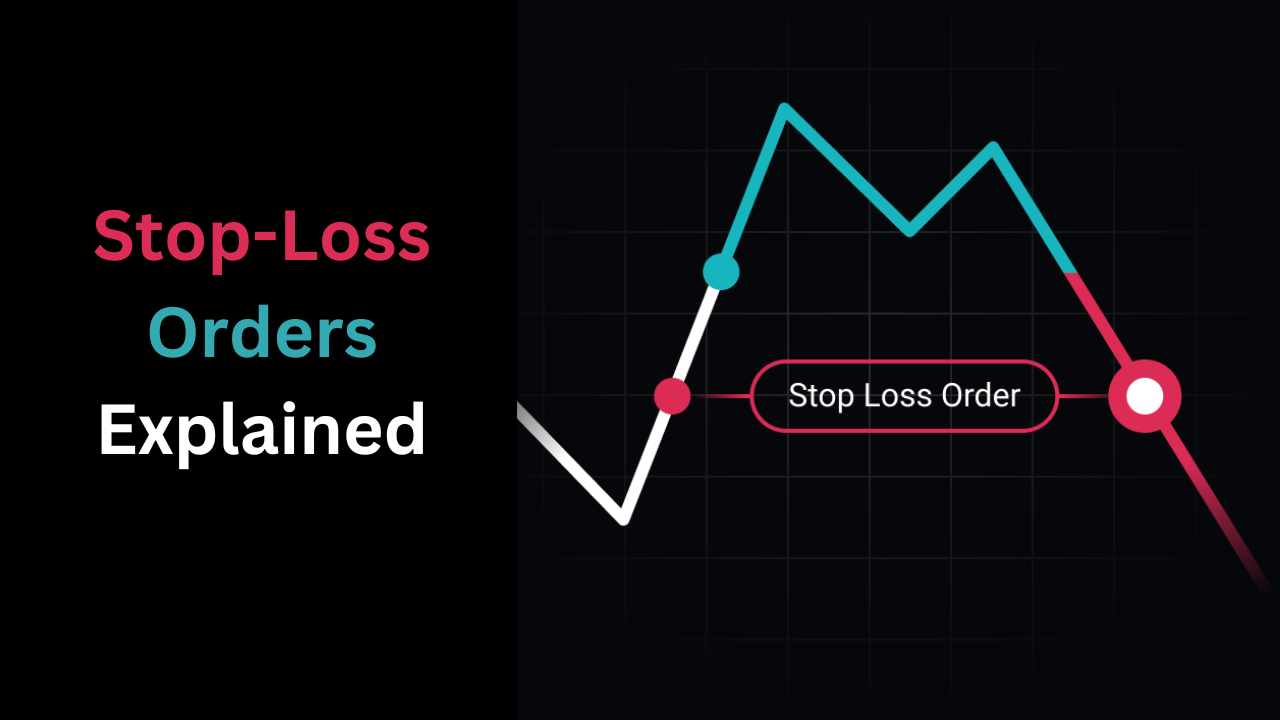
Trading in financial markets is risky, and protecting investments is important for success. One helpful tool for traders is the stop-loss order. It automatically sells an asset when its price drops to a certain level, limiting losses. Knowing how to use stop-loss orders can help traders protect their money and stay disciplined when trading stocks, forex, or cryptocurrencies.
What is a Stop-Loss Order?
A stop-loss order is an instruction given to a broker to sell a security once it reaches a specified price. The primary purpose of this order is to prevent excessive losses by ensuring that an asset is sold before its value declines too much. Traders use stop-loss orders to protect their portfolios from sudden market downturns, reducing emotional decision-making and enforcing a strategic approach to trading.
Stop-loss orders are particularly useful in volatile markets where prices can fluctuate rapidly. Instead of constantly monitoring the market, traders can set predetermined exit points, allowing them to focus on their broader investment strategies without worrying about unexpected losses.
Types of Stop-Loss Orders:
Several types of stop-loss orders cater to different trading strategies. A basic stop-loss order sets a fixed price at which the asset will be sold. If the market price drops to this level, the order is triggered, and the asset is sold at the best available price. This type of stop-loss is straightforward and effective for most traders looking for simple risk management.
Another popular variant is the trailing stop-loss order, which adjusts dynamically as the price of an asset moves in a favorable direction. Instead of being fixed, the stop-loss price trails the asset’s highest price by a set percentage or amount. If the asset’s price rises, the stop-loss level moves up accordingly, locking in profits. However, if the price begins to decline, the stop-loss remains at the last adjusted level and triggers if the price falls to that point.
Traders may also use stop-limit orders, which combine elements of stop-loss and limit orders. When the stop price is reached, a limit order is placed instead of a market order. This approach ensures that the asset is sold at a predetermined price or better, but it also carries the risk of the order not being executed if the market price moves too quickly.
Advantages of Using Stop-Loss Orders:
One of the most significant benefits of stop-loss orders is their ability to remove emotions from trading. Fear and greed often lead traders to make impulsive decisions that can result in substantial losses. By setting a stop-loss order in advance, traders can stick to their predetermined risk tolerance levels and avoid panic-driven reactions.
Another advantage is the automation of risk management. Traders do not need to constantly monitor the market or manually execute trades, as the stop-loss order ensures that losses are capped at a predefined level. This feature is especially beneficial for part-time traders who cannot continuously observe price movements.
Stop-loss orders also help traders maintain a disciplined approach to trading. Establishing a consistent strategy with well-placed stop-losses allows traders to focus on long-term growth rather than short-term fluctuations. This discipline can lead to more consistent performance and reduced overall risk exposure.
How to Set an Effective Stop-Loss Order:
Setting an effective stop-loss order requires careful consideration of several factors. Traders should assess their risk tolerance and set stop-loss levels that align with their overall trading strategy. Placing the stop-loss too close to the entry price may result in premature exits due to minor price fluctuations, while setting it too far away may expose the trade to unnecessary risk.
Market conditions should also influence stop-loss placement. In highly volatile markets, traders may need to set wider stop-loss levels to account for price swings. Conversely, in stable markets, tighter stop-loss levels may be appropriate.
Another key aspect is the use of technical analysis. Many traders determine stop-loss levels based on support and resistance levels, moving averages, or trendlines. Placing a stop-loss just below a strong support level can help prevent unnecessary sell-offs while ensuring protection if the price breaks below that point.
Conclusion:
Stop-loss orders are a powerful tool for managing risk and protecting trading capital. By setting exit points in advance, traders can reduce losses, avoid emotional decisions, and stay disciplined. Knowing different types of stop-loss orders and how to use them can help traders in financial markets. While stop-losses can’t remove all risk, they protect against unexpected market changes, helping traders focus on long-term success and smart decisions.